
Shopify SEO For Beginners Guide: 4 Steps To Rank No.1 on Google
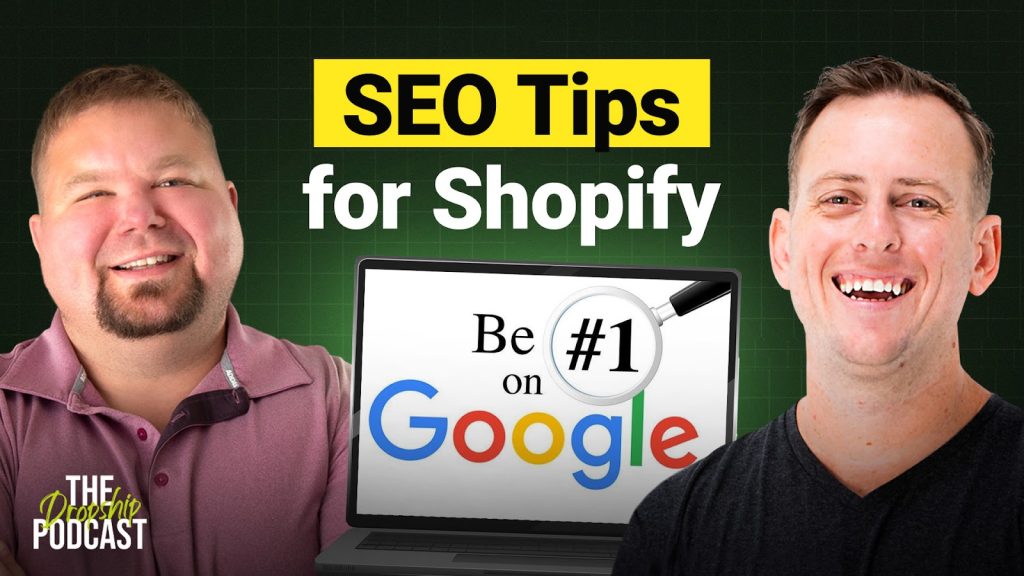
Are you struggling to rank your Shopify store on Google? Not a surprise, it’s a tough gig in the beginning but with the right guide, you can do it.
This comprehensive Shopify SEO For Beginners Guide outlines four essential steps to enhance your SEO strategy and boost your organic traffic. By implementing these techniques, you can improve your site’s visibility and ultimately increase your revenue.
Powered by RedCircle
4 Step Shopify SEO For Beginners Guide : Video
How To Rank Your Shopify Store As A Beginner
SEO can often seem daunting, especially for beginners navigating the complexities of e-commerce platforms like Shopify. However, understanding the fundamentals of SEO is crucial for driving organic traffic and increasing sales.
This section will introduce key concepts that will set the stage for effective SEO practices tailored for Shopify stores. By grasping these essentials, you can streamline your approach and focus on strategies that yield results. The journey to mastering Shopify SEO begins with a solid foundation, and this guide aims to equip you with the knowledge to build and enhance that foundation.
Step 1 – Technical SEO
Technical SEO lays the groundwork for your Shopify store’s visibility in search engines. It involves optimising your website’s backend structure and ensuring it meets the standards set by search engines. Let’s explore essential technical SEO tips specifically for Shopify.
1. Improve Site Speed
Site speed is a critical ranking factor. A slow-loading site can deter potential customers. To enhance speed, consider optimising images, reducing redirects, and leveraging browser caching. Tools like Google PageSpeed Insights can help identify specific areas for improvement.
2. Mobile Optimisation
With more users shopping via mobile devices, ensure your site is mobile-friendly. Responsive design and fast loading times are essential for a seamless mobile experience. Google prioritises mobile-first indexing, making this an essential aspect of technical SEO.
3. Clean URL Structure
Your URL structure should be simple and descriptive. Use keywords relevant to the content of the page. For instance, instead of a generic URL like /product123, use /austin-air-better-machine-air-purifier. This helps both users and search engines understand the page’s content better.
4. Implement Schema Markup
Schema markup helps search engines understand your content better, which can improve your visibility in search results. Use schema to mark up product information, reviews, and other relevant data. This can lead to rich snippets that enhance your listings in search results.
5. Create an XML Sitemap
An XML sitemap helps search engines crawl and index your site more effectively. Shopify automatically generates a sitemap, but ensure it is submitted to Google Search Console for better visibility. Regularly check for any issues that may arise.
6. Regularly Audit Your Site
Conduct regular audits to identify and fix technical issues. Look for broken links, duplicate content, or any errors that could hinder your site’s performance. Tools like Screaming Frog can help you identify these issues quickly.
Step 2 – Keyword Research
Keyword research is the backbone of any successful SEO strategy. It involves identifying the terms and phrases your target audience uses to search for products. Here’s how to conduct effective keyword research for your Shopify store.
1. Identify Your Niche
Understanding your niche is crucial. Start by brainstorming relevant topics related to your products. Consider what problems your products solve and how potential customers might search for them. This forms the basis of your keyword research.
2. Use Keyword Tools
Utilise tools like Google Keyword Planner, Ahrefs, or SEMrush to identify keywords with high search volume and low competition. These tools can provide insights into keyword trends and variations that may not be immediately obvious.
3. Focus on Long-Tail Keywords
Long-tail keywords are often less competitive and more specific. They usually contain three or more words and are more likely to convert since they target users further along in the buying process. For example, instead of targeting “air purifiers,” use “best air purifiers for allergies.”
4. Analyse Competitors
Examine your competitors’ websites to identify which keywords they are ranking for. This can provide valuable insights into potential keywords you might have missed. Use tools like SpyFu to track competitors’ keyword strategies.
5. Group Keywords by Intent
Understanding user intent is vital. Group your keywords based on whether they are informational, navigational, or transactional. This helps in crafting content that aligns with what users are looking for and increases the chances of conversion.
6. Monitor and Adjust
Keyword research is not a one-time task. Regularly monitor your rankings and adjust your strategy as needed. Trends change, and keeping your keyword strategy updated is crucial for maintaining visibility.
Step 3 – On-Page SEO Optimization
On-page SEO is vital for ensuring that your Shopify store communicates effectively with search engines. This involves optimising individual pages to rank higher and earn more relevant traffic. Here are key strategies to enhance your on-page SEO for Shopify.
1. Title Tags and Meta Descriptions
Your title tag and meta description are the first elements users see in search results. Ensure your title is concise, includes your primary keyword, and is no longer than 60 characters. The meta description should be a compelling summary of the page’s content, ideally between 150-160 characters, and also include relevant keywords.
2. Header Tags
Utilise header tags (H1, H2, H3) effectively to structure your content. Use one H1 tag per page, typically for the main title. H2 tags can be used for main sections, while H3 tags are ideal for subsections. This hierarchy helps Google understand your content’s structure and improves readability for users.
3. Image Optimization
Images can enhance user experience but can also slow down your site if not optimised. Use descriptive file names and alt tags that incorporate relevant keywords. This not only helps with SEO but also makes your site more accessible.
4. Internal Linking
Internal links guide users and search engines to important pages within your site. Use descriptive anchor text and ensure links lead to relevant content. This strategy helps distribute page authority and keeps users engaged longer, reducing bounce rates.
5. Unique Content
Each page should feature unique and valuable content. Avoid copying product descriptions directly from manufacturers, as this leads to duplicate content issues. Instead, craft your own descriptions that highlight the benefits and features of your products while incorporating target keywords naturally.
6. User Experience (UX)
Ensure your store is easy to navigate and visually appealing. A clean layout, clear calls to action, and mobile optimisation all contribute to a positive user experience. Google rewards sites that keep users engaged, so focus on making your store user-friendly.
7. Mobile Responsiveness
Since a significant portion of online shopping occurs on mobile devices, ensure your store is fully responsive. Test your site across various devices and screen sizes, making adjustments as necessary to improve functionality and appearance.
8. Page Load Speed
Page speed is a crucial ranking factor. Optimise images, leverage browser caching, and consider using a content delivery network (CDN) to enhance load times. Tools like Google PageSpeed Insights can help identify specific areas for improvement.
Step 4 – Off-Page SEO Optimization
Off-page SEO refers to actions taken outside your own website to impact your rankings within search engine results pages (SERPs). Here are effective strategies to improve your off-page SEO.
1. Building Quality Backlinks
Backlinks from reputable sites act as endorsements for your content. Focus on acquiring high-quality links from relevant websites in your niche. Guest blogging, collaborations, and partnerships can help you earn these valuable links.
2. Social Media Engagement
Active engagement on social media platforms can drive traffic to your Shopify store and increase brand awareness. Share valuable content, engage with your audience, and encourage sharing to enhance your online presence.
3. Influencer Marketing
Partnering with influencers in your industry can significantly boost your visibility. Influencers can provide authentic endorsements and direct traffic to your store, resulting in improved rankings and sales.
4. Online Reviews and Reputation Management
Encourage satisfied customers to leave positive reviews on platforms like Google and Yelp. Positive reviews enhance your credibility and can impact your local SEO. Respond to reviews, both positive and negative, to demonstrate your commitment to customer satisfaction.
5. Content Marketing
Create shareable content such as blog posts, infographics, and videos that provide value to your audience. High-quality content can earn backlinks and enhance your authority in your niche, improving your off-page SEO.
6. Local SEO Strategies
If you have a physical store or serve a specific geographic area, optimise for local SEO. Create a Google My Business profile, ensure your NAP (Name, Address, Phone Number) is consistent across platforms, and engage in local community events.
7. Networking and Relationship Building
Build relationships with other businesses and bloggers in your niche. Networking can lead to collaboration opportunities, guest posts, and backlinks that enhance your site’s authority and visibility.
FAQ For Shopify SEO Beginners
SEO (Search Engine Optimization) is the practice of optimising your website to improve its visibility on search engines. For Shopify stores, effective SEO can drive organic traffic, increase sales, and enhance brand visibility.
SEO is a long-term strategy, and results can vary based on competition and the effectiveness of your efforts. Generally, you may begin to see changes in traffic and rankings within 3 to 6 months.
Yes, many aspects of SEO can be managed by store owners with some research and effort. However, for technical SEO or advanced strategies, hiring a professional may yield better results.
SEO is not a one-time task. Regularly review and update your strategy based on performance analytics, changes in search engine algorithms, and evolving market trends.
Several tools can assist with SEO, including Google Analytics, Google Search Console, Ahrefs, SEMrush, and Moz. These tools help track performance, conduct keyword research, and analyse competitors.
While not necessary, hiring or learning from an SEO expert can provide valuable insights and save time, especially for complex strategies. An expert can help optimise your store more effectively and help you stay updated with the latest SEO trends.
At Dropship Breakthru, we have the entire Shopify SEO plan mapped out for you alongside all of the support you’ll ever need to get it done.
Ready to join? Book a call here to find out how.
Want to start your own high ticket dropshipping business?
Watch this FREE, on-demand training session that will uncover the exact steps you need to take to launch your first high ticket dropshipping business in the next 30 days.
Ready To Start Your Own High Ticket Dropshipping Business?
Book your complimentary call with one of our high ticket dropshipping experts who are also successfully running a business right now and are Dropship Breakthru members, to learn more about getting started.

© Dropship Breakthru LLC 2026
