
Our 5 Step Framework To Find Dropshipping Products You Can Actually Sell

Starting a dropshipping business can be daunting, especially when it comes to choosing the right product to sell. In this blog, we’ll explore a comprehensive 5-step framework designed to help you find dropshipping products that are not only in demand but also profitable. Armed with this knowledge, you can confidently launch your dropshipping business and set yourself up for success.
Powered by RedCircle
How Find Dropshipping Products That Sell : Video
Find Dropshipping Products That Sell Online - The Guide
Dropshipping is an innovative retail fulfilment method that allows you to sell products without holding any inventory. When a customer makes a purchase, the product is shipped directly from the supplier to the customer. This model reduces the overhead costs associated with traditional retail, making it an attractive option for aspiring entrepreneurs.
In dropshipping, you focus on marketing and customer service while the supplier handles inventory and shipping. This means you can start your business with minimal upfront investment. However, success in dropshipping relies heavily on choosing the right products and suppliers.
Understanding the Dropshipping Process
The dropshipping process begins when a customer places an order on your online store. You then notify your supplier, who packages and ships the product directly to the customer. Your profit is the difference between the price you charge the customer and the cost of the product from the supplier.
Key to this model is the relationship with suppliers. Finding reliable suppliers who can provide quality products and timely shipping is crucial to maintaining customer satisfaction.
How to Pick the Right Niche
Selecting the right niche is one of the most critical steps in establishing a successful dropshipping business. A niche is essentially a focused segment of a larger market, and it should align with your interests, market demand, and profitability potential.
Brainstorming Niche Ideas
- Personal Interests: Consider your hobbies or passions. Selling products related to something you enjoy can make the business more fulfilling.
- Market Trends: Research current trends in various industries. Use tools like Google Trends to identify what is popular right now.
- Target Audience: Define your target audience. Understand their needs, preferences, and pain points to tailor your niche effectively.
Evaluating Niche Viability
Once you have a list of potential niches, evaluate their viability by considering:
- Market Demand: Use keyword research tools to determine if people are searching for products in your niche.
- Competition: Assess the level of competition in your chosen niche. A niche with too many competitors may be challenging to penetrate.
- Profit Margins: Ensure that the products in your niche can be sold at a price that allows for a reasonable profit margin after accounting for supplier costs and shipping.
Finding Your Products
After selecting a niche, the next step is to identify the specific products you want to sell. This requires thorough research to ensure that the products are in demand and capable of generating profit.
Researching Products
Start by compiling a list of products that fit within your niche. Tools like Google and AI-driven platforms can help you generate product ideas. Look for high-ticket items, as these generally yield higher profit margins.
Consider the following strategies:
- Marketplaces: Browse popular online marketplaces to see what products are trending.
- Competitor Analysis: Investigate what products similar businesses are offering. This can provide insights into what works well in your niche.
- Customer Feedback: Explore reviews and feedback on products to understand customer preferences and pain points.
Where to Find Reliable Suppliers
Finding trustworthy suppliers is crucial to the success of your dropshipping business. The right supplier can ensure product quality, timely shipping, and reliable customer service.
Identifying Potential Suppliers
There are several ways to find suppliers for your chosen products:
- Online Directories: Use platforms like Alibaba, SaleHoo, or Wholesale Central to find suppliers who cater to your niche.
- Industry Trade Shows: Attend trade shows relevant to your niche to meet suppliers in person and build relationships.
- Manufacturer Websites: Research manufacturers of the products you want to sell. Many manufacturers are open to dropshipping arrangements.
Evaluating Supplier Reliability
Once you have a list of potential suppliers, evaluate them based on the following criteria:
- Product Quality: Request samples to assess the quality of the products you intend to sell.
- Shipping Times: Inquire about shipping times and methods to ensure they meet your customers’ expectations.
- Customer Service: Test their responsiveness to inquiries. A reliable supplier should have excellent customer service.
Building a strong relationship with your suppliers can lead to better pricing, priority shipping, and support, enhancing your business’s overall success.
Evaluating Shipping Costs vs Product Price
When venturing into high-ticket dropshipping, understanding the dynamics between shipping costs and product pricing is vital. High-ticket items often come with significant shipping fees, which can impact your profit margins. Therefore, it’s essential to assess whether the shipping costs are justifiable in relation to the product price.
Start by examining the size and weight of the products you plan to sell. Generally, smaller and lighter items tend to have lower shipping costs, making them more appealing for dropshipping. However, if you are selling larger items, you need to ensure that the shipping costs do not eat into your profits excessively.
To evaluate this, consider the following:
- Shipping Options: Investigate different shipping providers and their rates. Compare standard shipping, expedited options, and any bulk shipping discounts available.
- Shipping Zones: Understand how shipping costs vary based on the destination. A product shipped across the country may incur higher costs compared to local deliveries.
- Customer Expectations: Gauge how shipping costs might affect customer purchasing decisions. A high shipping fee might deter potential buyers, especially if they can find similar products with lower shipping costs elsewhere.
Ultimately, you want to strike a balance where the shipping costs are reasonable compared to the product price, ensuring that you maintain a healthy profit margin while also appealing to customers.
Assessing the Competition
Understanding your competition is crucial when establishing a successful dropshipping business. A thorough competitive analysis can help you identify market gaps, pricing strategies, and promotional tactics that can give you an edge.
Begin by identifying your direct competitors—those who sell similar high-ticket products in your chosen niche. You can use online tools like SEMrush or Ahrefs to analyse their traffic, keywords, and backlinks. This information can provide insights into their marketing strategies and overall performance.
Consider the following aspects when assessing the competition:
- Product Range: Identify the types of products your competitors are offering. Are they focusing on a specific category, or do they provide a broader range?
- Pricing Strategy: Compare your product prices with those of your competitors. Ensure that your pricing is competitive while still allowing for a profit margin.
- Customer Service: Evaluate how your competitors handle customer inquiries and complaints. High-quality customer service can be a significant differentiator in a saturated market.
- Marketing Techniques: Observe the marketing channels competitors are using. Are they leveraging social media, email marketing, or pay-per-click advertising? Understanding their marketing strategies can help you refine your approach.
By conducting a thorough competitive analysis, you can position your high-ticket dropshipping business effectively, ensuring that you can attract customers while standing out in the marketplace.
FAQ: How To Find Dropshipping Products For Free
High-ticket dropshipping refers to selling expensive products—typically priced at $1,000 or more—without holding inventory. When a customer makes a purchase on your website, you place the order with your supplier and the item is shipped directly from the supplier to the customer, allowing you to earn a profit margin on the sale.
To find high-ticket products, start by selecting a niche that meets the correct niche selection criteria. Research product ideas using tools like Google search platform or AI platforms. Look for products that have a demand and are priced over $1,000. Finally, validate these ideas by checking suppliers and market competition.
Shopify is hands down the best plaform for dropshipping in 2025 and beyond. It offers the best mix of user friendliness (good for beginners) and power for advanced users and businesses.
In most cases your suppliers will arrange shipping for you.
In some cases you will be responsible for booking shipping which you can easily do with a third party freight broker service.
Always communicate expected shipping times clearly to your customers and consider offering free shipping if it fits within your profit margins.
Yes, high-ticket dropshipping can be highly profitable if executed correctly. The key is to choose the right products, establish relationships with reliable suppliers, and implement effective marketing strategies to attract customers.
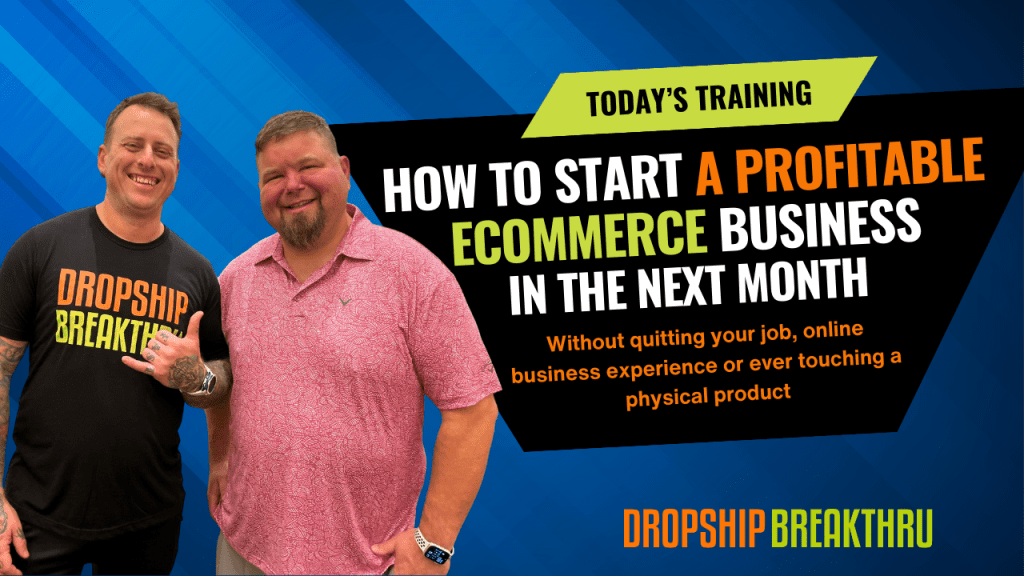
Want to start your own high ticket dropshipping business?
Watch this FREE, on-demand training session that will uncover the exact steps you need to take to launch your first high ticket dropshipping business in the next 30 days.
Ready To Start Your Own High Ticket Dropshipping Business?
Book your complimentary call with one of our high ticket dropshipping experts who are also successfully running a business right now and are Dropship Breakthru members, to learn more about getting started.

© Dropship Breakthru LLC 2026
