
Top SEO Tips For Dropshipping Businesses

Struggling with low traffic and poor rankings on your dropshipping site?
This detailed guide will walk you through actionable SEO strategies, based on our analysis of Compactco.com.au, to help elevate your online store’s visibility.
Get ready to optimise your SEO game with practical tips and insights!
Powered by RedCircle
Dropshipping SEO 101 - Here's Where To Start
SEO isn’t just a buzzword; it’s one of the most important traffic strategies for high ticket dropshipping businesses.
With the right approach to SEO, you can transform your website from a hidden gem into a top-ranking powerhouse.
This guide will take you through the essential components of technical SEO, keyword research, and content strategy.
Each element plays a crucial role in ensuring that your dropshipping site not only attracts visitors but also converts them into loyal customers. So, let’s roll up our sleeves and get started!
Technical SEO Overview
Technical SEO is the foundation upon which your entire SEO strategy is built. It ensures that your website is structured in a way that search engines can easily crawl, index, and understand your content.
Here are the key elements you need to focus on:
1. Site Structure
A well-organised site structure improves user experience and helps search engines navigate your site effectively. Use clear categories and subcategories to group related products. This not only helps with SEO but also makes it easier for potential customers to find what they need.
2. URL Structure
Your URLs should be clean, descriptive, and easy to read. Avoid using complex strings of numbers or characters. Instead, use keywords relevant to the page content. For example, a URL like yourstore.com/folding-kayaks is much more effective than yourstore.com/product12345.
3. Mobile Optimisation
With an increasing number of users shopping on mobile devices, your site must be responsive. Ensure your design adapts to various screen sizes and that load times are minimal. Google prioritises mobile-friendly sites in search rankings, so this is non-negotiable.
4. Page Speed
Page speed is crucial for both user experience and SEO. Use tools like Google PageSpeed Insights to evaluate your site’s speed. Compress images, leverage browser caching, and consider using a Content Delivery Network (CDN) to improve load times.
5. Secure Your Site
Security is paramount. Ensure your website uses HTTPS, which not only protects user data but also boosts your SEO ranking. Google favours secure sites, so make this a priority.
6. Sitemap and Robots.txt
A sitemap helps search engines understand your site structure. Create a sitemap.xml file and submit it via Google Search Console.
Additionally, use a robots.txt file to instruct search engines on which pages to crawl or ignore.
Keyword Research and Content Strategy
Keyword research is the cornerstone of effective SEO. It’s about understanding what your potential customers are searching for and strategically integrating these keywords into your content.
1. Identifying Keywords
Start by brainstorming a list of terms related to your products. Use tools like Google Keyword Planner, SEMrush, or Ahrefs to find relevant keywords. Look for keywords with a decent search volume but low competition to maximise your chances of ranking.
2. Long-Tail Keywords
Don’t overlook long-tail keywords! These are phrases that are typically three or more words long and often indicate a higher intent to purchase. For instance, instead of just targeting “kayak,” consider “best folding kayak for beginners.” This specificity can lead to higher conversion rates.
3. Competitor Analysis
Examine your competitors’ websites to see which keywords they are targeting. Tools like Moz and SpyFu can provide insights into their keyword strategies. Identify gaps in their content that you can exploit.
4. Content Creation
Once you have a solid list of keywords, it’s time to create content. Each product page should focus on a primary keyword, with supporting keywords woven into the description. Write compelling product descriptions that highlight features and benefits, and don’t forget to include high-quality images and videos.
5. Blog Content
In addition to product pages, consider starting a blog. This is a great way to target additional keywords and drive traffic to your site. Write informative articles that answer common questions or provide valuable insights related to your products. Engaging blog content can position you as an authority in your niche.
6. On-Page SEO
Ensure that your keywords are included in critical on-page elements like title tags, meta descriptions, headers, and image alt tags. This helps search engines understand the relevance of your content. However, avoid keyword stuffing; it’s all about balance.
7. Monitor and Adjust
SEO is not a one-time task. Regularly monitor your rankings and traffic using tools like Google Analytics and Search Console. Be prepared to adjust your strategy based on performance data. If certain keywords aren’t performing, don’t hesitate to pivot and try new ones.
How to Optimize Your Website
Optimizing your website is not just about improving rankings; it’s about creating a seamless experience for your visitors. This requires a strategic approach that encompasses various aspects of your site, from design to content. Here’s how to make your dropshipping site work harder for you.
1. Improve User Experience
User experience (UX) is paramount. Ensure your website is easy to navigate. Use a clear layout, intuitive menus, and a search function that helps users find products quickly. The easier it is for visitors to use your site, the more likely they are to convert.
2. Implement Schema Markup
Schema markup helps search engines understand your content better. By adding structured data to your site, you can enhance your search results with rich snippets, which can improve click-through rates. Implement relevant schema types for products, reviews, and FAQs.
3. Optimize Images
Images are vital in e-commerce. Ensure they are high-quality but also optimised for fast loading. Use descriptive file names and alt tags that include relevant keywords. This not only enhances SEO but also improves accessibility for users with disabilities.
4. Create Internal Links
Internal linking helps distribute page authority across your site and keeps users engaged longer. Link related products and blog posts to guide customers through their buying journey. It also helps search engines index your site more effectively.
5. Use Calls to Action (CTAs)
Effective CTAs guide users toward the next step, whether it’s making a purchase, signing up for a newsletter, or exploring related products. Make your CTAs clear, compelling, and visually distinct to capture attention.
6. Regularly Update Content
Search engines favour fresh content. Regularly update your product descriptions, blog posts, and other site content to keep it relevant. This not only helps with SEO but also keeps your audience informed about new trends and offerings.
Content Creation Tips
Creating engaging content is essential for attracting and retaining customers. Here are some strategies to enhance your content creation process.
1. Focus on Value-Driven Content
Your content should provide value to your audience. Answer questions, solve problems, and offer insights that relate to your products. This positions you as an authority in your niche and builds trust with your audience.
2. Use Compelling Headlines
Your headlines are the first impression potential customers will have of your content. Make them catchy and informative. Use numbers, questions, or powerful adjectives to entice readers to click through.
3. Incorporate Multimedia
Text alone can be dull. Use images, videos, and infographics to break up the text and make your content more engaging. Multimedia can help explain complex concepts and keep visitors on your site longer.
4. Encourage User-Generated Content
User-generated content, such as reviews and testimonials, can significantly enhance your credibility. Encourage customers to leave reviews and share their experiences. This not only provides social proof but also enriches your content.
5. Promote Your Content
Creating great content is just the beginning. Promote it through social media, email newsletters, and collaborations with influencers. The more exposure your content gets, the more traffic it will drive to your site.
6. Monitor Performance
Use analytics tools like Google Search Console or Google Analytics to track the performance of your content.
Identify which pieces resonate most with your audience and why. This data will inform your future content strategies and help you refine your approach.
Want to learn everything there is to know about SEO for dropshipping businesses? We show you everything, step-by-step that we do to generate 10s of thousands of organic visits per month in Dropship Breakthru. Book a free call with our team today to find out how you can get started.
FAQ: Top SEO Tips For Your Dropshipping Business
Dropshipping SEO refers to optimising your online store to improve its visibility on search engines. This involves keyword research, on-page SEO, technical SEO, and creating high-quality content
SEO is a long-term strategy. You may start to see results in a few months, but significant changes often take six months to a year. Consistency and quality are key.
The best keywords are those that have a good balance of search volume and competition. Long-tail keywords often convert better as they target users with specific intents.
Regular updates are beneficial. Aim to refresh your content every few months to keep it relevant. Additionally, adding new blog posts and product descriptions can help maintain your site’s freshness.
If you’re targeting a specific geographic area, local SEO is crucial. This involves optimising your site for local search terms and ensuring your business is listed in local directories.
Use tools like Google Analytics and Google Search Console to track key metrics such as organic traffic, bounce rate, and conversion rate. Monitoring these metrics will help you assess the effectiveness of your SEO strategies.
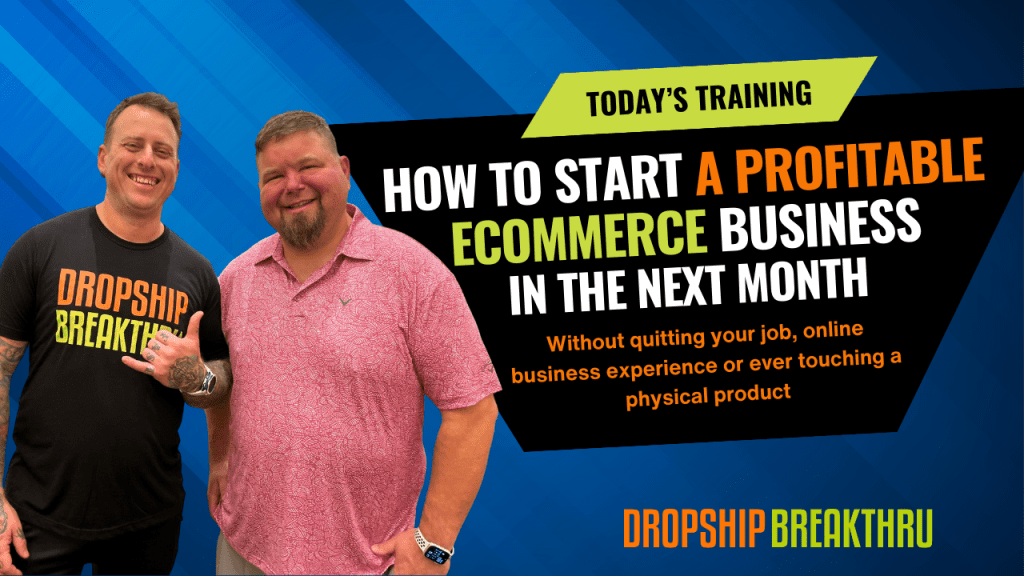
Want to start your own high ticket dropshipping business?
Watch this FREE, on-demand training session that will uncover the exact steps you need to take to launch your first high ticket dropshipping business in the next 30 days.
Ready To Start Your Own High Ticket Dropshipping Business?
Book your complimentary call with one of our high ticket dropshipping experts who are also successfully running a business right now and are Dropship Breakthru members, to learn more about getting started.

© Dropship Breakthru LLC 2026
