
How To Start A Dropshipping Business In 30 Days Or Less In 2025
Ready to learn how to start a dropshipping business in 2025?
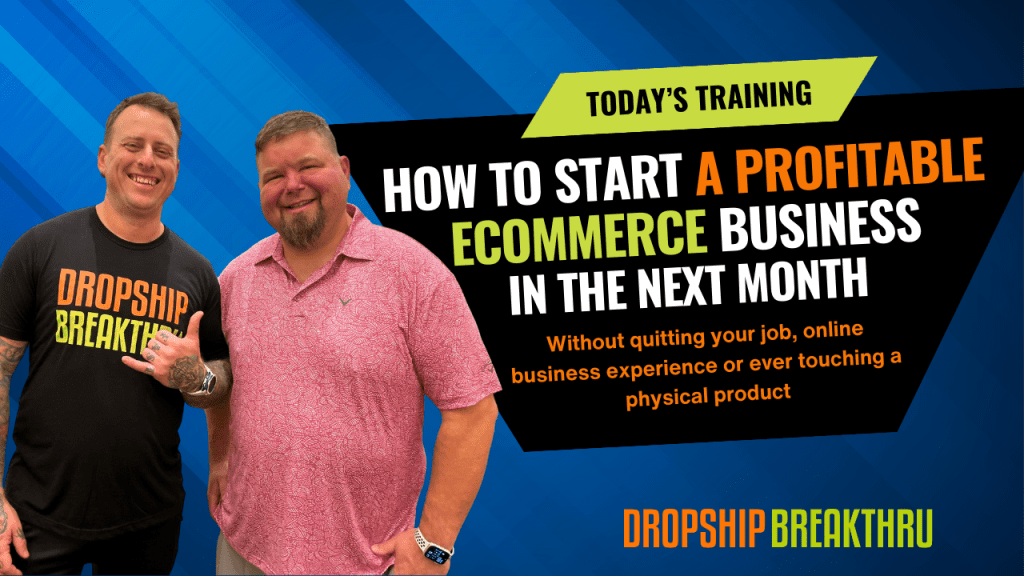
In this episode, we take you through the exact steps to take to get to the point of launching your own high-ticket dropshipping business in the next month, even if you have zero online experience.
Listen in here 👇
Learn How To Start A Dropshipping Business On YouTube...
How To Start A Dropshipping Business: A Step-by-Step Guide
Starting a dropshipping business can feel overwhelming, especially with the constantly changing landscape of e-commerce. In this comprehensive guide, we break down the essential steps to successfully launch your high-ticket dropshipping business within 30 days, focusing on the right strategies to ensure sustainable growth.
Understanding the Dropshipping Model
The dropshipping model is a unique approach to e-commerce that allows you to sell products without holding any inventory. Instead, when you make a sale, you purchase the item from a third-party supplier who then ships it directly to the customer. This method minimizes risk and upfront costs, making it an attractive option for new entrepreneurs.
One of the key advantages of dropshipping is that it eliminates the need for warehousing and storage space. You can operate your business from anywhere, as long as you have internet access. Additionally, you can offer a wide range of products without the financial burden of purchasing them upfront.
However, while dropshipping offers significant benefits, it also comes with challenges. You’ll need to find reliable suppliers, manage customer service, and ensure that your marketing strategies effectively reach your target audience. Understanding the nuances of this model is crucial for long-term success.
Identifying Your Ideal Customer
Before diving into product selection, it’s essential to identify your ideal customer. This process involves understanding who they are, what they need, and how your business can serve them. Start by creating a customer avatar that includes demographic details such as age, gender, location, and interests.
Consider their pain points and what problems they seek to solve. For instance, if your target audience consists of fitness enthusiasts, think about their specific needs—perhaps they are looking for high-quality gym equipment or nutritional supplements. The clearer your understanding of your ideal customer, the better you can tailor your products and marketing strategies.
Engaging with potential customers through surveys or social media can also provide valuable insights. This feedback will help you refine your offerings and ensure that you are addressing the right audience from the start.
Finding Your Niche
Choosing the right niche is a pivotal step in launching your dropshipping business. A niche is a specific segment of the market that you will target, often defined by shared interests or needs among the customers. The more focused your niche, the easier it will be to identify products and develop effective marketing strategies.
To find your niche, consider your interests and passions. Ask yourself what topics excite you or what hobbies you enjoy. Research market trends and analyze competitors to identify gaps you can fill. Tools like Google Trends can help you gauge the popularity of specific niches over time.
Also, think about profitability. Ensure that the niche you choose has a sufficient customer base and that the products within it can be sold at a price point that allows for a decent profit margin. Balancing passion with market demand is key to a successful niche selection.
Building a List of Ideas
Once you have a clear understanding of your ideal customer and niche, it’s time to generate product ideas. Brainstorm a list of potential products that align with your niche and would appeal to your target audience. Start by jotting down everything that comes to mind—no idea is too small at this stage.
Utilize online resources such as Google, social media platforms, and niche-specific forums to gather inspiration. You can also explore popular e-commerce sites to see what products are trending. Ask yourself which products solve specific problems for your ideal customers.
Consider seasonal trends and emerging markets as well. Keeping an open mind during this brainstorming phase will help ensure that you have a diverse range of product ideas to work with as you move forward.
Selecting Products to Sell
With your list of product ideas in hand, it’s time to narrow down your selections. Evaluate each product based on factors such as demand, competition, and profit margins. Tools like Google Keyword Planner can help you assess search volume and competition levels for specific products.
Choose products that not only resonate with your target audience but also have a proven sales record. Look for items that are unique or have a standout feature that differentiates them from competitors. This differentiation can give you a competitive edge in the marketplace.
It’s also crucial to consider the supplier’s reliability. Research potential suppliers to ensure they have a good reputation for quality and timely shipping. Building relationships with trustworthy suppliers will be vital for maintaining customer satisfaction and ensuring repeat business.
Establishing Relationships with Brands
Building strong relationships with brands is essential for a successful dropshipping venture. Once you’ve selected the products you want to sell, reach out to the manufacturers or wholesalers that supply those products. Establishing direct relationships can lead to better pricing, exclusive offers, and improved product availability.
When contacting brands, be professional and clear about your intentions. Explain your business model and how you plan to market their products. Many brands prefer to work with established businesses, so be prepared to showcase your website and marketing strategies.
Networking at trade shows or industry events can also be beneficial. These interactions can help you meet potential suppliers face-to-face and establish rapport, which can lead to more favorable terms for your dropshipping business.
Setting Up Your E-commerce Website
Creating a professional e-commerce website is your first major step toward launching your dropshipping business. A well-designed website serves as your online storefront, showcasing your products and facilitating sales. The goal is to create an engaging, user-friendly experience that encourages visitors to explore and make purchases.
Start by selecting a reliable e-commerce platform. Shopify is a popular choice due to its ease of use and comprehensive features tailored for dropshipping. Choose a plan that fits your budget and needs, and begin customizing your site.
Your website should reflect your brand identity. Use a cohesive color scheme, professional logos, and high-quality images. Ensure your layout is intuitive, making it easy for customers to navigate through categories and product pages.
Essential Pages to Include
- Home Page: This is the first impression customers have of your business. Highlight your best-selling products and any promotions.
- Product Pages: Each product should have its own page with detailed descriptions, specifications, and high-resolution images. Include customer reviews and trust signals to enhance credibility.
- About Us: Share your brand story and mission. This helps establish a connection with your audience.
- Contact Us: Provide multiple ways for customers to reach you, including email, phone, and social media links.
- Privacy Policy and Terms of Service: These pages are essential for building trust and complying with legal requirements.
Once your website is set up, test it thoroughly. Ensure all links work, checkout processes are smooth, and the site is responsive on mobile devices. A seamless user experience can significantly impact conversion rates.
Uploading Products and Optimizing Listings
After establishing your website, the next step is to upload your products. This process involves more than just filling in product details; it requires strategic thinking to optimize your listings for search engines and customer engagement.
Begin by gathering product information from your suppliers. This usually includes product names, descriptions, specifications, and images. However, avoid copying and pasting directly from supplier listings. Instead, rewrite the content to reflect your brand voice and cater to your target audience.
Key Elements of Product Listings
- Product Titles: Create clear, descriptive titles that include relevant keywords. This helps with search engine optimization (SEO).
- Product Descriptions: Write engaging descriptions that highlight the benefits and features of the product. Use bullet points for easy readability.
- High-Quality Images: Use professional images that showcase the product from multiple angles. Consider adding lifestyle images to help customers visualize the product in use.
- SEO Optimization: Include relevant keywords in your product titles and descriptions. This increases the chances of your products appearing in search engine results.
- Pricing: Set competitive prices while ensuring you maintain healthy profit margins. Consider offering discounts for bulk purchases to encourage higher sales.
Once your products are uploaded, regularly review and update listings based on market trends and customer feedback. This ongoing optimization will keep your offerings relevant and appealing.
Marketing Your Products: Google Ads
With your website and product listings in place, it’s time to drive traffic to your store. Google Ads is one of the most effective ways to reach potential customers actively searching for products like yours. This platform allows you to target users based on specific keywords, ensuring your ads are seen by those most likely to convert.
Start by setting up a Google Ads account and linking it to your website. Create a campaign focusing on Google Shopping ads, which display your product image, title, and price directly in search results.
Creating Effective Google Ads Campaigns
- Keyword Research: Use tools like Google Keyword Planner to identify keywords that potential customers are searching for. Focus on long-tail keywords for higher intent.
- Ad Creation: Design visually appealing ads that capture attention. Ensure the product image is clear and the title is descriptive.
- Landing Pages: Direct ads to specific product pages rather than your homepage. This improves relevance and increases conversion rates.
- Budgeting: Start with a modest daily budget and adjust based on performance. Monitor your return on ad spend (ROAS) to gauge effectiveness.
Regularly analyze your ad performance and make necessary adjustments. Testing different ad formats and targeting options can help optimize your campaigns for better results.
Scaling Your Business
Once your dropshipping business is up and running, the next step is to scale. This involves expanding your product range, optimizing your marketing strategies, and enhancing customer engagement.
Consider diversifying your product offerings to attract a broader audience. Research market trends and customer preferences to identify new products that complement your existing range.
Strategies for Scaling
- Leverage Email Marketing: Build an email list and engage with customers through newsletters, promotions, and personalized offers.
- Enhance Customer Service: Providing excellent customer service can lead to repeat business and positive reviews. Consider implementing live chat support to assist customers in real-time.
- Utilize Social Media: Create engaging content on platforms like Instagram and Facebook to build brand awareness and drive traffic to your website.
- Explore New Marketing Channels: In addition to Google Ads, consider other channels like influencer marketing or affiliate programs to reach new audiences.
As your business grows, regularly assess your operations. Streamlining processes and investing in tools for inventory management, order fulfillment, and analytics can enhance efficiency and profitability.
How To Start A Dropshipping Business: FAQ
Dropshipping is a retail fulfillment method where a store doesn’t keep the products it sells in stock. Instead, when a store sells a product, it purchases the item from a third party and has it shipped directly to the customer.
Starting a dropshipping business can be done for under $500, including website setup and initial marketing costs. However, ongoing expenses like advertising and website maintenance should be considered.
Research suppliers through online directories, industry forums, and trade shows. Look for suppliers with positive reviews, quality products, and reliable shipping practices.
With dedicated effort, you can set up a dropshipping business within 30 days. Consistency and focus are key to achieving this timeline.
Yes, as long as you have internet access, you can manage your dropshipping business from anywhere in the world.
Want to start your own high ticket dropshipping business?
Watch this FREE, on-demand training session that will uncover the exact steps you need to take to launch your first high ticket dropshipping business in the next 30 days.
Ready To Start Your Own High Ticket Dropshipping Business?
Book your complimentary call with one of our high ticket dropshipping experts who are also successfully running a business right now and are Dropship Breakthru members, to learn more about getting started.

© Dropship Breakthru LLC 2026
